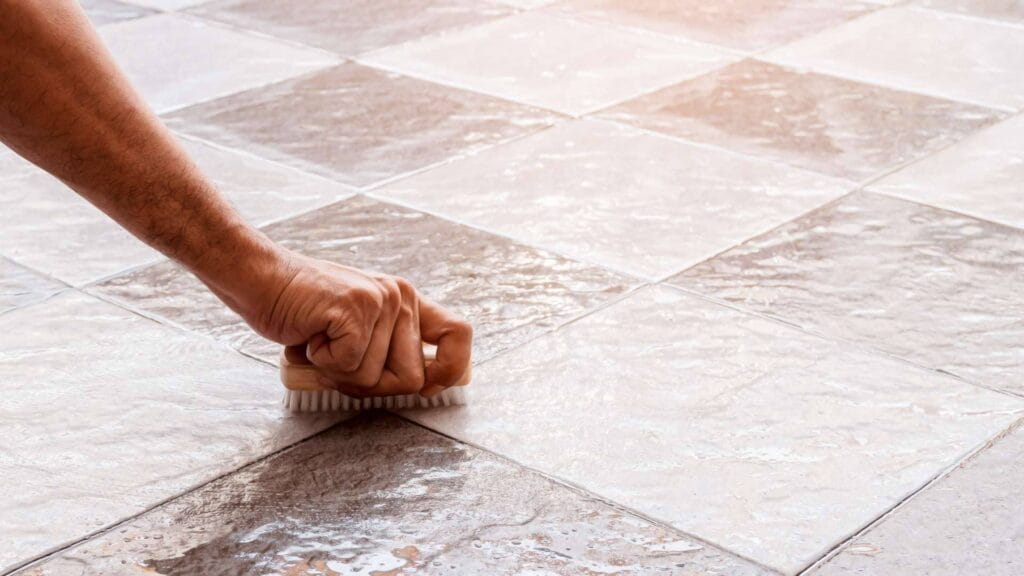
Mold in tile grout is a common problem in bathrooms, kitchens, laundry rooms, and anywhere moisture builds up. If you’re searching for how to remove mold from tile grout, you’re likely dealing with dark grout lines, musty smells, or stains that keep coming back no matter how much you scrub.
This guide breaks down safe, effective ways to remove mold from grout, how to prevent it from returning, and when professional tile cleaning becomes the best option.
Why Mold Grows in Tile Grout
Tile itself is non-porous, but grout is porous. That means it absorbs:
- Moisture
- Soap residue
- Dirt and oil
- Humidity from showers or cooking
Once moisture gets trapped, mold spores settle in and grow—especially in poorly ventilated spaces.
Is Mold in Grout Dangerous?
Small surface mold is usually manageable, but prolonged exposure can:
- Trigger allergies
- Worsen asthma symptoms
- Create persistent odors
- Spread spores throughout the home
Mold spores can also circulate through your HVAC system, which is why air duct cleaning plays a role in overall indoor air quality.
DIY Methods to Remove Mold from Tile Grout
1. Baking Soda and Vinegar (Best for Light Mold)
How to use it:
- Mix baking soda with water to form a paste
- Apply directly to grout lines
- Spray white vinegar over the paste
- Let it bubble for 5–10 minutes
- Scrub with a stiff grout brush
- Rinse with warm water
This method works well for early-stage mold and routine maintenance.
2. Hydrogen Peroxide (Deeper Cleaning)
Hydrogen peroxide penetrates grout better than vinegar.
Steps:
- Pour 3% hydrogen peroxide directly onto grout
- Let it sit for 10 minutes
- Scrub thoroughly
- Rinse and dry
This is a good middle-ground solution before stronger treatments.
3. Oxygen Bleach (Not Chlorine Bleach)
Oxygen bleach cleans mold without damaging grout like chlorine bleach can.
Why avoid chlorine bleach?
- It can weaken grout
- It doesn’t fully penetrate porous surfaces
- Mold often returns quickly
Oxygen bleach is safer and more effective long term.
What NOT to Do
❌ Don’t mix cleaning chemicals
❌ Don’t rely on bleach alone
❌ Don’t ignore ventilation
❌ Don’t scrub aggressively with metal brushes
Damaging grout makes it more porous and more likely to grow mold again.
Why Mold Keeps Coming Back
If mold returns quickly, the issue usually isn’t cleaning—it’s moisture.
Common causes include:
- Poor bathroom ventilation
- Leaky plumbing
- High indoor humidity
- Dirty grout absorbing moisture
Mold can also transfer from other surfaces like carpets, rugs, and upholstered furniture if spores are circulating in the home. Maintaining clean soft surfaces with carpet cleaning, area rug cleaning, and furniture cleaning helps reduce reinfestation. Regular house cleaning can further help control the spread of mold spores between surfaces. The team at The Tidy Sister notes that thorough dusting and vacuuming, along with routine attention to high-moisture areas, are important steps in limiting mold’s ability to take hold in living spaces.
When DIY Isn’t Enough
If grout is deeply stained or mold keeps returning, professional tile cleaning becomes necessary.
Professional tile and grout cleaning:
- Uses high-pressure extraction
- Penetrates deep into grout lines
- Removes embedded mold and bacteria
- Restores grout color
- Helps prevent future growth
Homes with multiple flooring types benefit from pairing tile care with wood floor cleaning to prevent moisture migration between surfaces.
How to Prevent Mold from Returning
- Use bathroom exhaust fans during and after showers
- Dry tile and grout regularly
- Seal grout periodically
- Clean spills quickly
- Control humidity levels
- Maintain clean air circulation with air duct cleaning
Prevention is far easier than repeated deep cleaning.
How Often Should Tile Grout Be Cleaned?
- Bathrooms: every 6–12 months
- Kitchens: every 12–18 months
- High-humidity homes: more frequently
Regular maintenance prevents mold from becoming a recurring issue.
Final Takeaway
Removing mold from tile grout requires more than surface scrubbing. Using the right methods early, controlling moisture, and maintaining surrounding surfaces all play a role in keeping grout clean and mold-free.
When mold becomes persistent or deeply embedded, professional tile cleaning provides the most effective and long-lasting results.