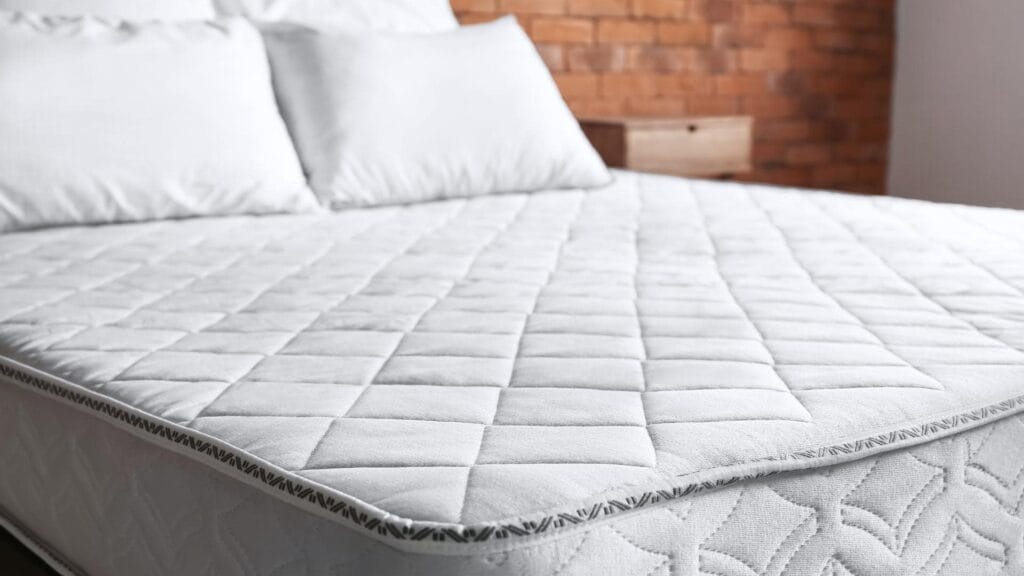
If you’re wondering how to remove mattress stains, you’re not alone — mattresses absorb sweat, oils, spills, dead skin, and moisture daily. Whether you’re dealing with sweat stains, yellowing, blood, urine, coffee, or just general discoloration, mattress stains are among the most common cleaning challenges homeowners search for.
This guide gives you real, trustworthy cleaning methods, when DIY works, when it doesn’t, and how to keep stains from returning.
Throughout this guide, you’ll see opportunities to explore helpful resources like how to remove juice stains, how to remove coffee stains, and how to decide if you need a professional mattress cleaning.
Why Mattress Stains Happen (Even If You Use a Protector)
Mattresses naturally collect:
- Sweat and body oils
- Dust mites and allergens
- Spills (juice, coffee, wine)
- Urine (pets, kids, or adults)
- Mold and moisture stains
- Dead skin buildup
- Odor-causing bacteria
Even with a protector, long-term moisture can seep through over time.
A fresh stain has the highest chance of being removed completely. Older, oxidized stains are harder — but still treatable with the right process.
What You’ll Need for Mattress Stain Removal
Most stains can be cleaned using household items:
- Baking soda
- Cold water
- Hydrogen peroxide (3%)
- White vinegar
- Dish soap
- Enzyme cleaner (for organic stains)
- Spray bottle
- Microfiber cloths
- Vacuum cleaner
If you want deeper cleaning or odor removal, professional services like Furniture & Upholstery Cleaning or Carpet Cleaning use industrial-grade extraction that removes moisture and bacteria trapped deep in the material.
How to Remove the Most Common Mattress Stains
1. Sweat & Yellow Stains
Sweat stains are the most common reason mattresses turn yellow.
DIY Method
Mix this solution in a spray bottle:
- 1 cup hydrogen peroxide
- 3 tablespoons baking soda
- A few drops of dish soap
Spray lightly → let sit 1 hour → blot → air dry.
Important: Avoid soaking the mattress. Moisture trapped deep inside causes mold.
When Professional Cleaning Helps
If yellowing covers a large area or has an odor, professional cleaning (same type used in Furniture & Upholstery Cleaning) removes deeper bacteria.
2. Urine Stains (Human or Pet)
Urine needs an enzyme cleaner — not vinegar or peroxide alone.
DIY Method
- Blot as much liquid as possible
- Spray enzyme cleaner generously
- Let sit 10–15 minutes
- Blot again
- Cover with baking soda
- Vacuum after it dries (4–12 hrs)
Do NOT use heat (hair dryer or steam) — it sets the odor permanently.
3. Blood Stains
Blood should only be treated with cold water.
DIY Method
- Mix cold water + a small amount of dish soap
- Dab (don’t rub) until lifted
- For tough spots: mix baking soda + cold water → apply for 30 minutes → blot
Hydrogen peroxide works well too, but may slightly lighten fabric.
4. Coffee, Juice & Beverage Stains
Liquid stains soak fast — act immediately.
DIY Method
- Blot to remove excess liquid
- Spray with equal parts water + white vinegar
- Blot until the stain lifts
- Apply baking soda → let sit until dry → vacuum
For darker stains (coffee, tea), add a few drops of dish soap to the mixture.
5. Mold or Mildew Stains
Mold on mattresses is serious — usually caused by trapped moisture.
DIY Method (surface-level only)
Spray with 1 part vinegar + 1 part water → scrub gently → dry thoroughly in sunlight if possible.
Important
If the mold is spreading, dark, or has an odor, professional cleaning is strongly recommended. Mold is a health risk and DIY products can’t neutralize spores deep inside the foam.
How to Deodorize a Mattress Naturally
Baking soda is your best friend.
- Sprinkle generously across entire mattress
- Let sit 8–12 hours (overnight is ideal)
- Vacuum thoroughly
For recurring odors, deeper extraction (similar to Carpet Cleaning) pulls out bacteria and allergens from below the surface.
When DIY Mattress Cleaning Won’t Work
DIY methods struggle with:
- Set-in sweat stains from years of buildup
- Deep urine saturation
- Mold and mildew
- Strong odors trapped in foam
- Large spills
- Pet accidents that soaked through multiple layers
In these cases, the same technology used in Furniture & Upholstery Cleaning and Carpet Cleaning safely cleans foam and fabric more deeply than household tools can.
If you want professional help, you can always book your services today.
How to Prevent Mattress Stains (Long-Term Tips)
Here’s how to keep your mattress cleaner year-round:
- Use a waterproof mattress protector
- Wash bedding weekly
- Vacuum your mattress monthly
- Keep humidity low to prevent mold
- Rotate your mattress every 3–6 months
- Keep carpets, rugs, and furniture clean to reduce airborne contaminants
Dust and allergens that settle into mattresses also settle into carpet and upholstery — cleaning them together keeps everything fresher.
How Often Should You Deep Clean a Mattress?
For most homes: every 6–12 months
Homes with kids, pets, allergies, or heavy sweating: every 3–6 months
If stains or odors appear sooner, treat them immediately for best results.
Final Answer: How to Remove Mattress Stains
Most mattress stains can be removed with the right DIY method — but deeper odors or discoloration may require professional cleaning to fully eliminate.
Whether you want to remove sweat, urine, food spills, or general yellowing, use the right solutions, avoid soaking the mattress, and always let it dry thoroughly.
If you ever want expert help or pricing, simply Request a Quote or visit our Carpet Cleaning, Furniture & Upholstery Cleaning, Area Rug Cleaning, or Air Duct Cleaning pages.