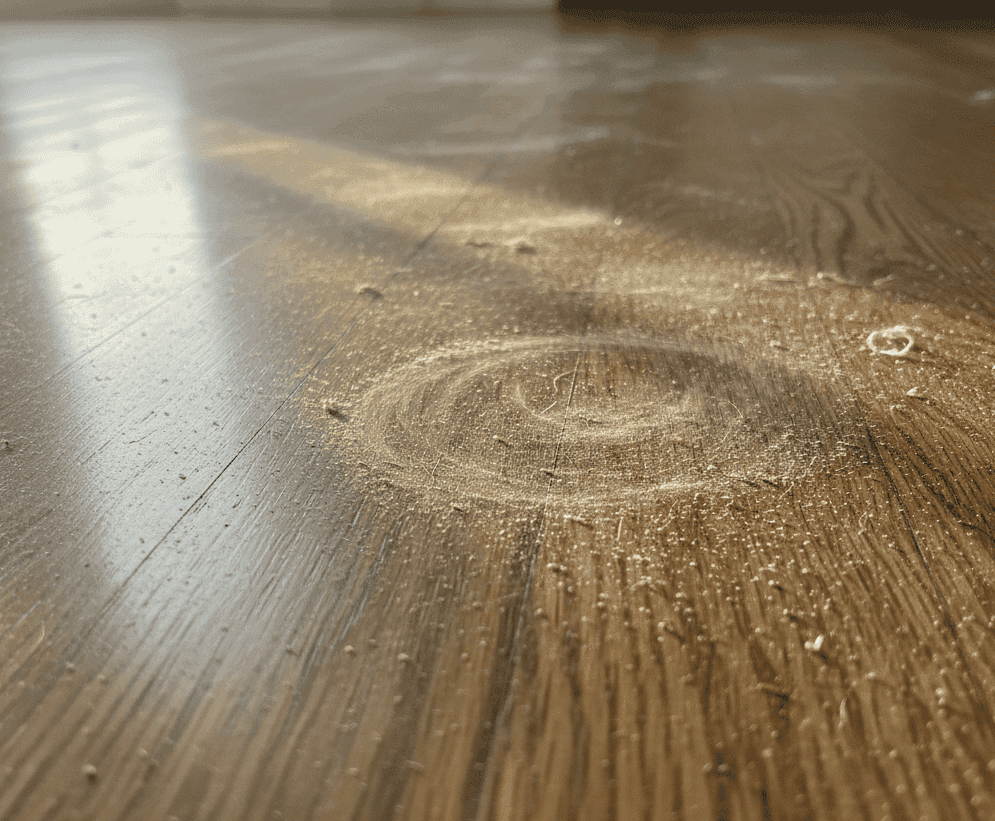
Wood floors add warmth, value, and character to a home — but they also require the right care. Using the wrong cleaning products or techniques can dull the finish, cause streaking, or even lead to permanent damage.
If you’re wondering how to clean wood floors without damaging them, this guide breaks down safe, proven methods you can use at home, common mistakes to avoid, and how to keep your floors looking their best long-term.
Why Wood Floors Require Special Care
Unlike tile or vinyl, wood floors are sensitive to:
- Excess moisture
- Abrasive debris
- Harsh chemicals
- Improper cleaning tools
Even floors with a protective finish can wear down over time if they’re cleaned incorrectly. That’s why routine maintenance matters just as much as deep cleaning.
Step-by-Step: How to Clean Wood Floors Safely
1. Remove Loose Dirt First
Before using any moisture:
- Sweep with a soft-bristle broom
- Vacuum using a hardwood-safe attachment
This prevents grit from scratching the surface during cleaning.
Keeping nearby surfaces clean also helps — regular carpet cleaning and area rug cleaning reduce dirt tracked onto wood floors.
2. Use the Right Cleaning Solution
The safest option is a wood-floor-specific cleaner designed for your floor’s finish.
If using a DIY option:
- Mix a small amount of gentle soap with warm water
- Never use vinegar, ammonia, or steam
Always lightly dampen your mop — never soak the floor.
3. Mop Lightly (Less Is More)
- Use a microfiber mop
- Work in sections
- Dry the floor immediately with a clean towel if needed
Standing water is one of the fastest ways to damage wood flooring.
What NOT to Use on Wood Floors
Avoid these common mistakes:
- Steam mops
- Vinegar or acidic cleaners
- Abrasive pads or stiff brushes
- Excess water
- Wax products unless recommended by the manufacturer
These products can break down finishes, cause warping, or leave residue.
How Often Should Wood Floors Be Cleaned?
- Daily or weekly: Sweep or vacuum
- Monthly: Damp mop using a wood-safe cleaner
- Annually or as needed: Deep professional wood floor cleaning
High-traffic homes, pets, or open floor plans connected to tile and grout cleaning areas often require more frequent maintenance.
Preventing Damage Before It Starts
Simple habits go a long way:
- Use entry mats to reduce tracked-in dirt
- Add felt pads under furniture legs
- Clean spills immediately
- Keep humidity levels stable
Maintaining furniture and upholstery cleaning also helps prevent oils and debris from transferring onto wood floors.
When Professional Wood Floor Cleaning Helps
Over time, residue from cleaners and daily wear can dull floors even with good maintenance. Professional wood floor cleaning removes buildup safely and restores the floor’s appearance without stripping or damaging the finish.
When combined with carpet cleaning, area rug cleaning, tile and grout cleaning, and air duct cleaning, your entire home stays cleaner — not just the floors you can see.
Wood Floors vs Other Flooring Types
Unlike tile or grout, wood floors can’t tolerate aggressive scrubbing. That’s why cleaning methods that work for tile and grout cleaning should never be used on wood. Each surface requires a tailored approach to prevent damage.
Key Takeaway
Cleaning wood floors doesn’t have to be complicated — it just has to be done correctly.
By using minimal moisture, avoiding harsh products, and maintaining surrounding surfaces like carpets, rugs, furniture, and air ducts, you protect your floors and extend their lifespan.
Understanding how to clean wood floors without damaging them ensures your home stays beautiful, safe, and well-maintained for years to come.