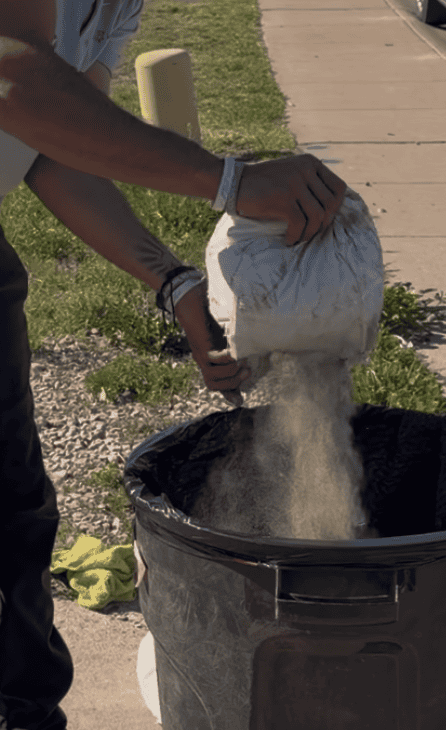
If you’re noticing visible dust blowing out of your air vents when the HVAC system turns on, you’re not imagining things.
While a small amount of dust movement can be normal, visible puffs of debris usually signal buildup somewhere inside the system.
Let’s break down the most common causes — and what they mean for your home.
1. Dust Buildup Inside Air Ducts
Over time, air ducts collect:
- Dust
- Dirt
- Pet dander
- Fabric fibers
- Pollen
- Construction debris
Even with regular filter changes, fine particles settle inside ductwork. When your system kicks on, airflow can disturb that buildup and push some of it back into your living space.
When accumulation becomes excessive, homeowners often consider professional air duct cleaning to remove settled debris from the system.
2. Dirty or Low-Quality HVAC Filters
Your air filter is the first line of defense against airborne particles.
If the filter:
- Hasn’t been changed regularly
- Is low quality
- Isn’t properly fitted
Dust can bypass it and circulate through the duct system.
Upgrading to a higher-rated filter and maintaining consistent replacement schedules can significantly reduce dust circulation.
However, if dust has already built up throughout the home, it often settles into soft surfaces like carpets and upholstery — which is why many homeowners combine duct service with carpet cleaning to reduce overall airborne dust sources.
3. Excessive Dust Inside the Home
Sometimes the ducts aren’t the root cause — they’re just redistributing what’s already in the house.
Major contributors include:
- Carpeted floors
- Upholstered furniture
- Area rugs
- Mattresses
- Pet activity
Textile surfaces shed fibers and trap fine debris. When disturbed by foot traffic or sitting, particles become airborne and enter return vents.
Deep furniture cleaning and routine area rug cleaning help reduce what enters the ventilation system in the first place.
4. Recent Renovation or Construction Work
If you’ve recently had:
- Drywall work
- Flooring replacement
- Tile installation
- Remodeling
Fine construction dust may have entered your ductwork.
Drywall dust is extremely fine and easily circulates through HVAC systems.
After renovation, homeowners often pair ventilation cleaning with tile and grout cleaning or wood floor cleaning to eliminate residual debris throughout the home.
5. Leaky or Damaged Ductwork
If ducts have gaps, cracks, or loose connections, they can pull dust from:
- Attics
- Crawl spaces
- Wall cavities
This debris then travels directly into your living space when the system runs.
If you’re seeing consistent dust bursts even after cleaning and filter replacement, duct inspection may be necessary.
6. Mold or Moisture Issues
In some cases, visible particles coming from vents may not be simple dust.
If you notice:
- Musty odors
- Clumpy dark debris
- Increased allergy symptoms
There could be moisture-related contamination inside the duct system.
Because airborne contaminants settle throughout the home, issues in ductwork can also impact bedding and upholstery — making periodic mattress cleaning helpful in homes dealing with recurring indoor air concerns.
7. Your System Hasn’t Been Serviced in Years
HVAC systems circulate air constantly.
Over years of operation, even small amounts of debris accumulation can become significant.
If it has been several years since your ductwork was evaluated, buildup may simply be reaching a point where airflow is disturbing settled material.
Is Some Dust Normal?
Yes — a small amount of dust movement is common in most homes.
However, visible puffs of dust when the system turns on are not typical in well-maintained systems.
If you consistently see dust blowing out of vents, it usually indicates one or more of the following:
- Duct accumulation
- Poor filtration
- Excessive dust sources in the home
- Leaks in ductwork
- Post-renovation debris
How to Reduce Dust Coming From Vents
Homeowners can take several steps:
1. Replace HVAC Filters Regularly
Every 1–3 months depending on household conditions.
2. Use Higher-Quality Filters
Check MERV ratings appropriate for your system.
3. Reduce Indoor Dust Sources
Regular deep cleaning of carpets, rugs, upholstery, and mattresses.
4. Schedule Duct Evaluation When Necessary
If visible dust persists, inspection may be warranted.
5. Maintain Whole-Home Cleanliness
Hard surfaces like tile and wood floors should also be professionally maintained to prevent fine debris redistribution.
Why This Matters for Indoor Air Quality
Air ducts act as the distribution system for your home’s air.
If they contain excessive buildup, every cycle can redistribute particles into:
- Living rooms
- Bedrooms
- Furniture
- Flooring
- Bedding
Over time, this can contribute to:
- Dusty surfaces reappearing quickly
- Increased allergy symptoms
- Stale indoor air
Managing both ventilation systems and surface cleanliness together creates the most noticeable improvement in home freshness.
Final Thoughts
If you’re asking, “Why is dust coming out of my vents?” — your HVAC system is likely circulating accumulated debris from somewhere within the system or the home.
Visible dust bursts aren’t something to ignore. They’re usually a sign that filtration, duct condition, or overall indoor cleanliness needs attention.
Addressing the root cause helps reduce dust levels, improve airflow, and create a cleaner living environment overall.