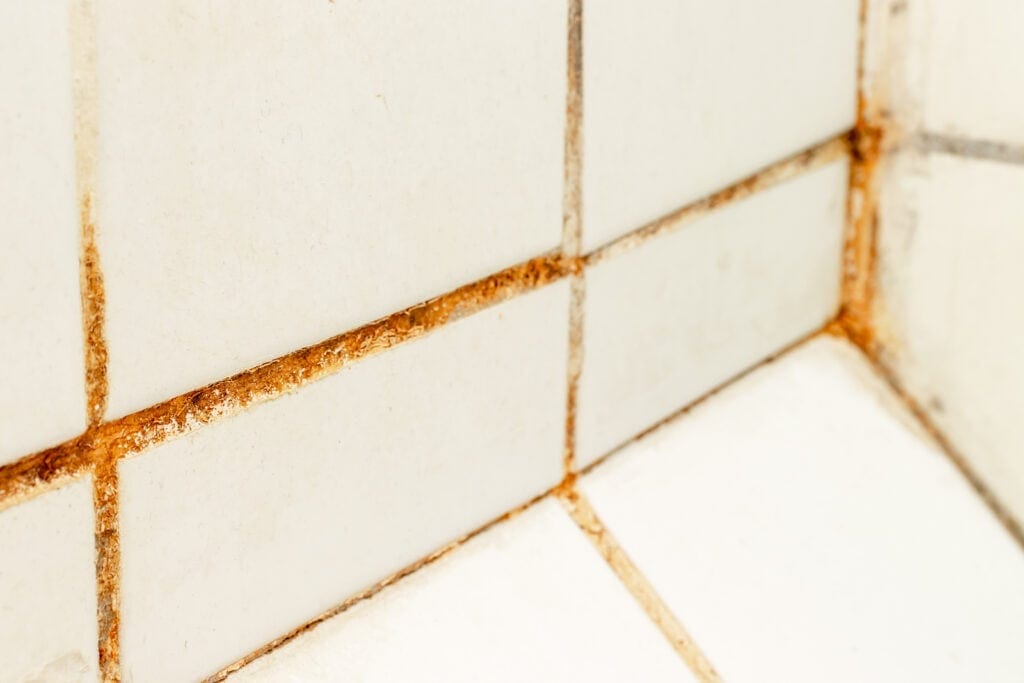
Grout starts out light, clean, and uniform—but over time, many homeowners notice it slowly turning dark, patchy, or even black. This happens in kitchens, bathrooms, entryways, and anywhere tile sees daily use.
Understanding why grout turns dark is the first step toward preventing it and keeping tile floors and surfaces looking clean long-term.
Why Does Grout Turn Dark?
Grout is porous by nature. Unlike tile, it absorbs moisture, dirt, oils, and contaminants, which leads to discoloration over time.
The most common causes include:
1. Dirt and Foot Traffic
High-traffic areas track in dirt, sand, and debris that settle into grout lines. Over time, this buildup darkens grout, especially near entrances and hallways.
Carpeted areas often trap similar debris, which is why routine carpet cleaning helps reduce the spread of dirt throughout the home.
2. Moisture and Humidity
Bathrooms, kitchens, and laundry rooms expose grout to constant moisture. When grout stays damp, it becomes a breeding ground for mold and mildew, causing dark stains.
Poor airflow and dirty air ducts can make moisture issues worse by trapping humidity indoors.
3. Soap Scum and Cleaning Residue
Using the wrong cleaners can actually accelerate grout discoloration. Soap residue and improper mopping leave behind films that attract dirt and darken grout faster.
This issue mirrors residue buildup seen on wood floors when improper cleaners are used.
4. Oils and Grease
In kitchens and dining areas, grease particles and food oils settle into grout lines. Once absorbed, these stains are difficult to remove with basic cleaning alone.
Upholstered furniture and area rugs in nearby spaces can also hold oils that spread through foot traffic.
5. Lack of Sealing
Unsealed grout absorbs everything it touches. Without a protective barrier, even clean homes experience grout darkening over time.
How to Prevent Grout from Turning Dark
Preventing grout discoloration is much easier than trying to reverse it later.
Seal Your Grout
Grout sealing creates a protective barrier that repels moisture, oils, and dirt. Properly sealed grout stays lighter longer and is much easier to clean.
This is one of the most effective steps in tile and grout maintenance.
Clean Spills Immediately
Liquids and oils should be wiped up as soon as possible. The longer they sit, the deeper they soak into grout.
This habit also protects nearby surfaces like wood floors and furniture fabrics.
Use the Right Cleaning Products
Avoid harsh chemicals and soap-heavy cleaners. pH-neutral tile cleaners help remove dirt without leaving residue that attracts more grime.
Steam mops should also be used cautiously, as excess moisture can penetrate grout lines.
Maintain Consistent Cleaning
Regular surface cleaning prevents buildup before it becomes embedded. Sweeping and damp mopping reduce abrasive dirt that wears down grout over time.
Pairing routine floor care with periodic area rug cleaning helps limit dirt transfer across rooms.
Control Moisture Levels
Proper ventilation reduces moisture that leads to mold and mildew. Bathrooms and kitchens benefit from exhaust fans and good airflow.
Keeping air ducts clean also improves airflow and reduces humidity-related issues throughout the home.
Can Dark Grout Be Cleaned?
Yes—but results depend on how deep the discoloration goes.
Light surface discoloration may respond to:
- Baking soda and water paste
- Soft-bristle brushing
- Controlled steam cleaning
Deep staining, mold, or grease buildup often requires professional-grade extraction methods.
Why Regular Tile and Grout Maintenance Matters
Dark grout isn’t just a cosmetic issue. It can signal:
- Embedded bacteria
- Mold growth
- Trapped moisture
Keeping grout clean supports a healthier home environment, especially when combined with regular care for carpets, upholstery, rugs, and air systems.
Final Thoughts
If you’ve wondered why grout turns dark, the answer usually comes down to porosity, moisture, dirt, and daily use. The good news is that with proper cleaning habits, sealing, and moisture control, grout can stay lighter and cleaner for years.
Understanding grout behavior helps homeowners make smarter decisions about maintenance and prevents the cycle of repeated discoloration.