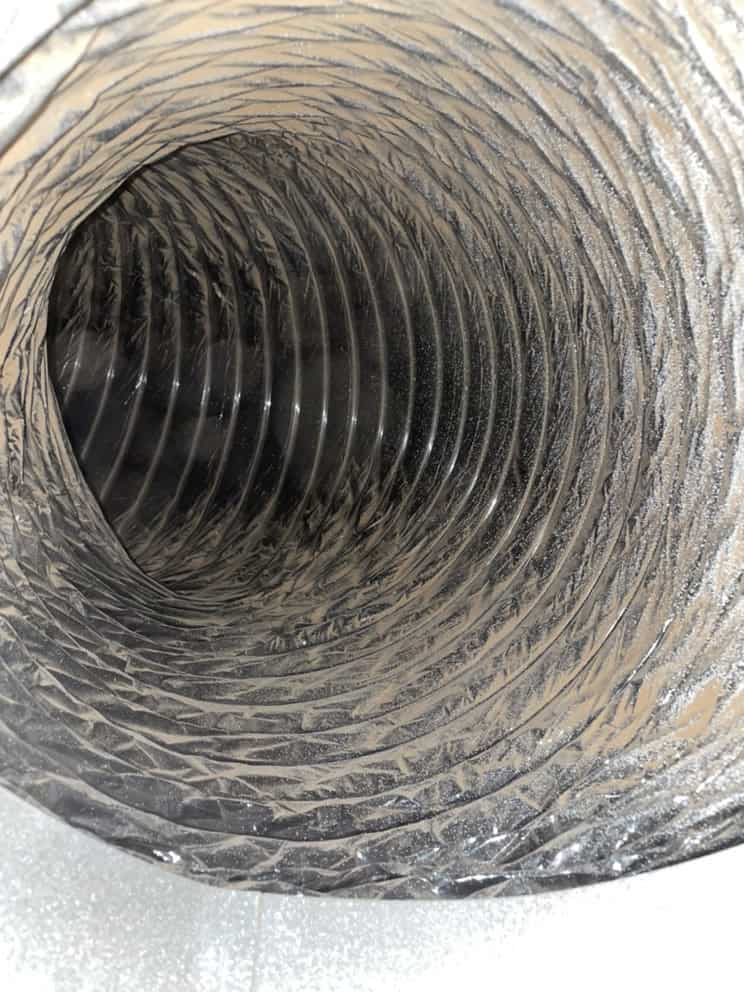
Most homeowners rarely see the inside of their ductwork — but your air ducts circulate the same air you breathe every day.
Over time, duct systems collect dust, debris, allergens, and other contaminants that can affect indoor air quality and overall home cleanliness.
So what exactly builds up inside air ducts? Let’s break it down.
1. Dust and Household Debris
The most common contaminant inside ductwork is simple household dust.
Dust is made up of:
- Dead skin cells
- Fabric fibers
- Dirt tracked in from outdoors
- Microscopic particles from carpets and furniture
Every time your HVAC system runs, it pulls airborne particles into return vents. Some of that debris gets trapped in filters — but a portion settles inside the ductwork itself.
Homes with heavy textile surfaces, like carpeted rooms, often see higher dust accumulation. That’s why many homeowners combine air duct cleaning with routine carpet cleaning to reduce overall airborne dust levels.
2. Pet Dander and Hair
If you have pets, your duct system likely contains:
- Pet hair
- Pet dander
- Microscopic skin flakes
Even with regular vacuuming, pet-related particles become airborne and enter ventilation systems.
Over time, this buildup can recirculate throughout the home, contributing to odors and allergy symptoms.
Addressing pet-related contamination often involves a whole-home approach, including area rug cleaning and professional furniture cleaning, since upholstery and rugs act as major dander reservoirs.
3. Pollen and Outdoor Allergens
Outdoor air enters your home every time:
- Doors open
- Windows are cracked
- HVAC systems cycle
Pollen, plant spores, and outdoor pollutants get drawn into vents and settle inside ductwork.
Over time, these allergens accumulate and may circulate repeatedly through your home.
For households dealing with seasonal allergies, improving indoor cleanliness across multiple surfaces — including ductwork and flooring like tile cleaning — can help reduce irritant buildup.
4. Mold and Moisture-Related Growth
Air ducts can develop condensation, especially in humid climates or poorly insulated systems.
When moisture combines with dust and organic debris, it creates conditions that may allow microbial growth.
Signs of possible moisture issues include:
- Musty smells from vents
- Visible dust clumps near registers
- Increased allergy-like symptoms
While not every odor indicates mold, persistent smells coming from vents are worth investigating.
Because air circulation affects the entire home, duct contamination can impact soft surfaces like couches, mattresses, and carpets — which is why some homeowners coordinate duct service with mattress cleaning and carpet and upholstery cleaning
5. Construction Debris and Renovation Dust
If your home has undergone:
- Remodeling
- Drywall work
- Flooring replacement
- Tile installation
Fine construction dust may have entered the duct system.
Drywall dust is especially problematic because it’s extremely fine and spreads easily through HVAC airflow.
After renovation projects involving flooring, many homeowners pair duct cleaning with deep surface cleaning such as wood floor cleaning or tile cleaning to remove residual construction debris throughout the home.
6. Insects or Rodent Debris
Though less common, duct systems can sometimes contain:
- Insect remains
- Nesting materials
- Droppings
This type of contamination can contribute to odors and air quality concerns.
If unusual smells or airflow blockages occur, it may indicate deeper buildup within the ventilation system.
7. Everyday Airborne Particles You Don’t See
Even in clean homes, air ducts accumulate microscopic particles over time simply because air is constantly circulating.
Everyday activities contribute:
- Cooking releases oils into the air
- Cleaning sprays leave residues
- Fabrics shed fibers
- Humans and pets produce skin cells
Over years of operation, these particles settle inside ductwork and can gradually recirculate into living spaces.
Maintaining clean soft surfaces — like carpets, rugs, and upholstered furniture — helps reduce what enters the ventilation system in the first place.
Why Air Duct Buildup Matters
When debris accumulates inside ductwork, it can:
- Circulate allergens repeatedly
- Contribute to stale or dusty indoor air
- Increase strain on HVAC systems
- Spread fine dust throughout the home
Air ducts act like the respiratory system of your house. If they’re heavily contaminated, airborne particles may continuously redistribute into carpets, furniture, rugs, and bedding.
That’s why indoor air quality isn’t just about ducts — it’s connected to overall surface cleanliness throughout the home.
How Often Should Air Ducts Be Evaluated?
Most homes benefit from inspection every few years, but frequency depends on:
- Pets
- Allergies
- Smoking indoors
- Renovation history
- Overall household dust levels
Homes with heavy textile surfaces or high foot traffic may experience faster buildup.
Final Thoughts
Air ducts are out of sight — but they play a major role in the cleanliness of your indoor environment.
Over time, dust, pet dander, pollen, moisture, and everyday airborne particles accumulate inside duct systems. When buildup becomes excessive, it can affect airflow and redistribute contaminants throughout your home.
Understanding what builds up inside air ducts helps homeowners make informed decisions about maintaining a cleaner, healthier living space.