Sticky wood floors are frustrating — and surprisingly common. Whether it’s from cleaning products, spills, foot traffic, or residue left behind after mopping, that tacky feeling means something is sitting on top of your floor’s finish.
If you’re searching how to remove sticky residue from wood floors, this guide explains why it happens, how to fix it safely, and how to prevent it from coming back.
Why Wood Floors Get Sticky
Sticky residue usually comes from buildup, not dirt. Common causes include:
- Too much cleaner left behind after mopping
- Using the wrong cleaning products
- Soap or detergent residue
- Grease from kitchens or foot traffic
- Oils transferred from furniture or rugs
Even floors that look clean can feel sticky when residue builds up over time.
Step-by-Step: How to Remove Sticky Residue from Wood Floors
1. Dry Clean First
Before using moisture:
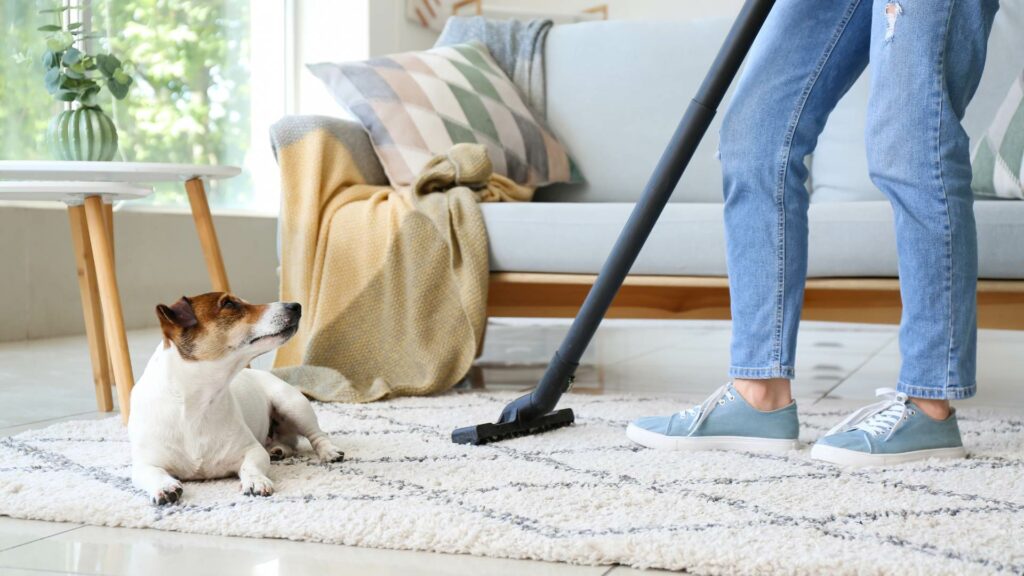
- Sweep or vacuum to remove loose dirt
- Use a soft brush or hardwood-safe attachment
This prevents grit from scratching the floor during cleaning.
Maintaining nearby surfaces through carpet cleaning and area rug cleaning helps reduce residue-causing debris transferred onto wood floors.
2. Use a Wood-Safe Cleaning Solution
The safest option is a wood-floor-specific cleaner designed to remove residue without damaging the finish.
For a light DIY approach:
- Use warm water with a small amount of gentle dish soap
- Lightly dampen a microfiber mop — never soak the floor
Always test a small area first.
3. Mop Lightly and Rinse Properly
- Clean in small sections
- Follow up with a clean, damp mop using plain water
- Dry immediately with a microfiber towel
Rinsing is critical — leftover cleaner is one of the main reasons floors stay sticky.
What NOT to Use on Sticky Wood Floors
Avoid these common mistakes:
- Vinegar or acidic cleaners
- Steam mops
- Harsh degreasers
- Abrasive pads or brushes
- Excess water
These methods may seem effective short-term but can damage the finish and worsen residue over time. Techniques used for tile and grout cleaning should never be applied to wood floors.
Why Sticky Floors Keep Coming Back
If residue returns quickly, it usually means:
- Cleaner buildup hasn’t been fully removed
- Floors are being over-cleaned
- Oils from furniture or foot traffic are spreading
Regular furniture cleaning reduces oils transferring to floors, while air duct cleaning helps limit dust that binds to residue and creates that sticky feeling.
When Professional Wood Floor Cleaning Is the Best Solution
If DIY methods don’t work, residue may be layered deep into the finish. Professional wood floor cleaning safely removes buildup without stripping or damaging the surface.
This is especially helpful in homes with:
- Open floor plans connecting to carpet cleaning areas
- Pets or heavy foot traffic
- Kitchens with grease exposure
Professional cleaning restores the natural feel of the floor and prevents long-term finish damage.
How to Prevent Sticky Residue in the Future
- Use less cleaning product — more is not better
- Avoid mixing cleaners
- Mop with a lightly damp microfiber mop
- Rinse occasionally with clean water
- Keep rugs, carpets, and furniture clean
Reducing buildup at the source keeps wood floors smooth, clean, and residue-free.
Key Takeaway
Sticky floors aren’t a sign your wood is damaged — they’re a sign something doesn’t belong on the surface.
By understanding how to remove sticky residue from wood floors using safe methods, avoiding harsh products, and maintaining surrounding surfaces like carpets, rugs, furniture, and air ducts, you protect your floors and keep them looking and feeling clean long-term.