Keeping wood floors clean without damaging them can feel tricky, but with the right techniques, you can maintain their shine for years. This guide covers safe methods, DIY options, eco-friendly cleaners, deep-cleaning tips, and mistakes to avoid.
Daily Cleaning: Remove Dust and Grit
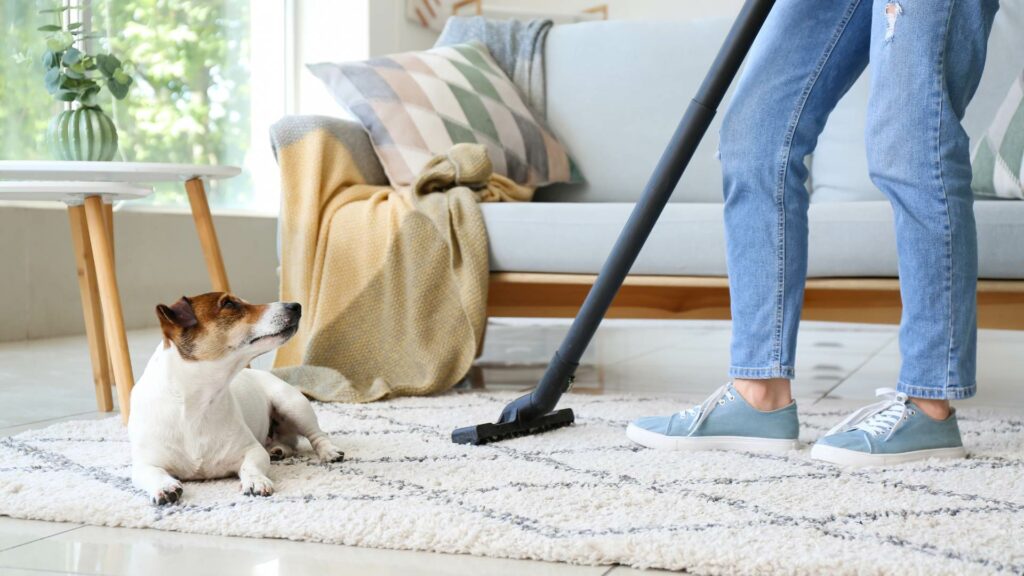
Dust and dirt act like sandpaper on wood floors. Remove debris daily using a microfiber dust mop, a soft-bristle broom, or a vacuum on hard-floor mode (without a beater bar). Reducing dust also helps prevent buildup on surrounding surfaces like carpet cleaning, furniture and upholstery cleaning, and area rug cleaning.
Use a Damp (Not Wet) Mop
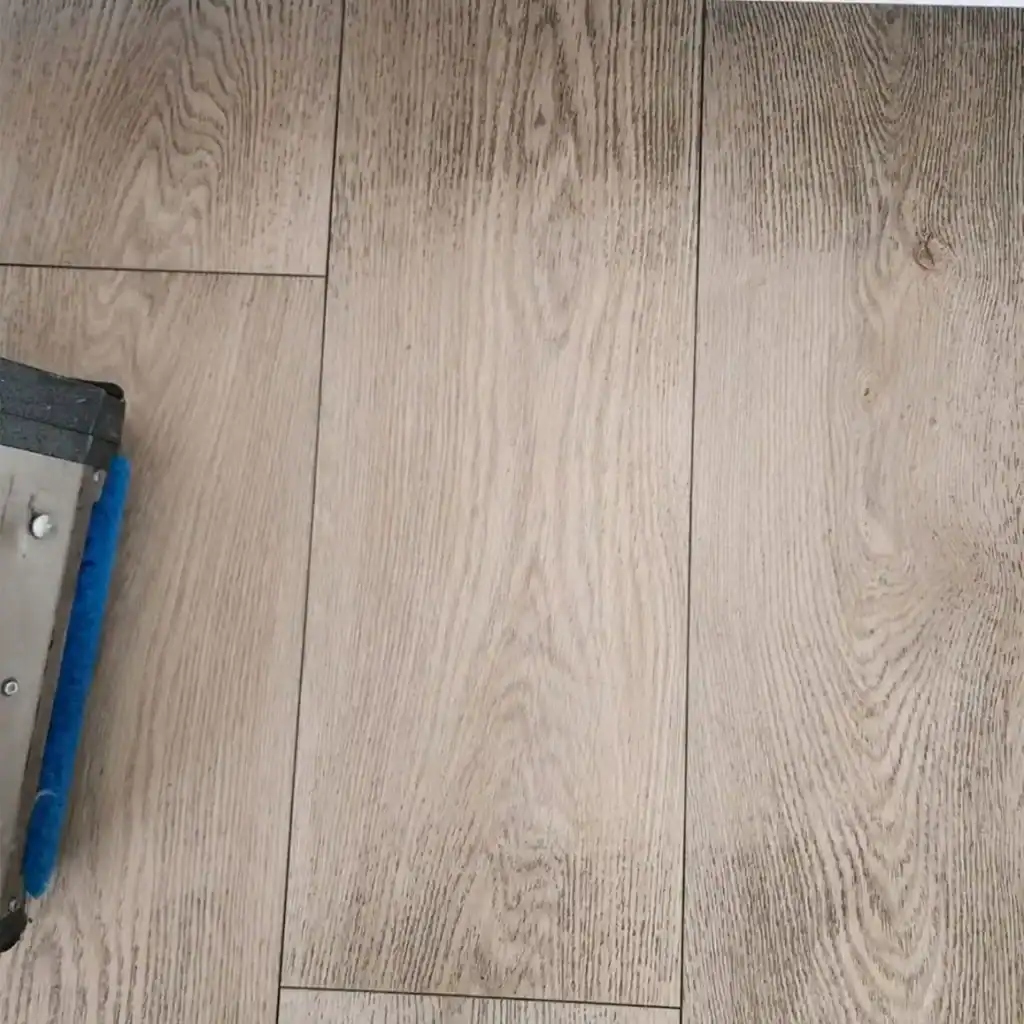
Water damages wood, so your mop should be slightly damp—never wet. A microfiber flat mop or spray mop designed for hardwood floors is ideal. Avoid steam mops or string mops that leave too much moisture behind.
DIY Wood Floor Cleaner (Safe for Sealed Floors)
A simple natural solution works well:
- 2 cups warm water
- A few drops mild dish soap
- Optional: 1 tbsp white vinegar
Apply the cleaner to your mop head—not directly to the floor.
Clean Spills Immediately
Wipe spills right away to prevent moisture from seeping into the seams. If spills reach nearby rugs, consider pairing your cleaning routine with area rug cleaning to prevent lingering odors and stains.
Monthly Deep Cleaning Routine
A deeper clean once a month helps remove residue and oils:
- Vacuum thoroughly.
- Mop using a hardwood-safe cleaner.
- Wipe with the wood grain.
- Dry immediately with a microfiber towel.
Pairing this routine with air duct cleaning can further reduce airborne dust that settles on hardwood surfaces.
Eco-Friendly Options for Wood Floors
For those avoiding harsher chemicals, these natural alternatives work well:
Vinegar & Water (For Sealed Floors Only)
½ cup vinegar + 1 gallon warm water
Use sparingly to avoid dulling the finish.
Castile Soap Cleaner
2 cups warm water + 1 teaspoon castile soap
Olive Oil Shine Booster
Add occasional shine, but use lightly to avoid residue.
Common Mistakes to Avoid
- Using steam mops
- Leaving water puddles
- Using abrasive pads
- Using bleach, ammonia, or harsh chemical cleaners
- Walking on floors with heels or sports cleats
- Overusing vinegar, which can dull finish over time
How to Protect Wood Floors Long-Term
- Add felt pads to furniture legs
- Maintain humidity between 40–55%
- Recoat floors every 2–5 years depending on traffic
- Lift furniture when moving—don’t drag it
When to Call a Professional
If your floors look dull, have heavy buildup, or need deeper restoration than DIY methods allow, professional cleaning can help renew shine. Supporting a full-home cleaning routine alongside wood-floor maintenance—with carpet cleaning, furniture and upholstery cleaning, area rug cleaning, and air duct cleaning—keeps surfaces throughout the home cleaner and healthier.