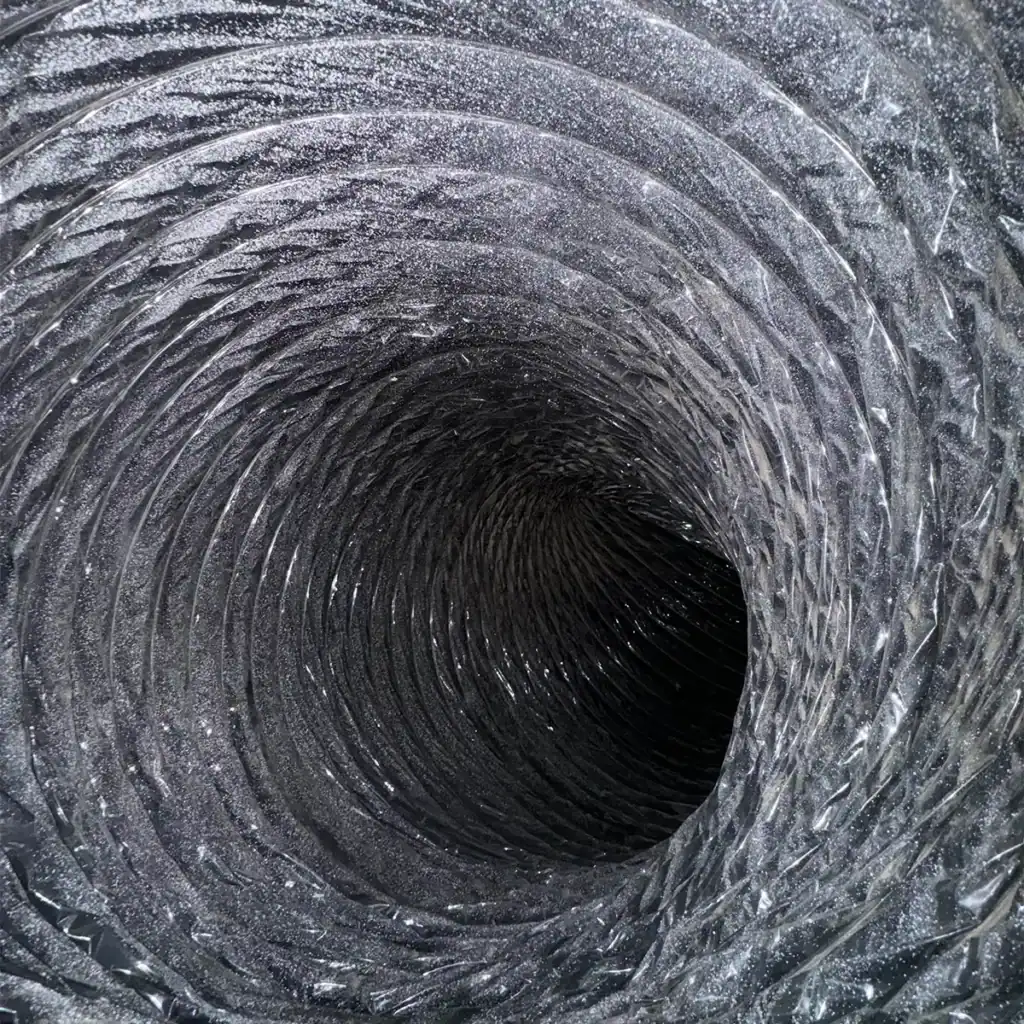
For people with asthma, keeping a clean home environment can play an important role in reducing exposure to common triggers. Dust, pet dander, pollen, and microscopic particles can accumulate in flooring, furniture, and ventilation systems, which may contribute to poor indoor air quality.
While cleaning alone cannot eliminate asthma symptoms, maintaining a consistent cleaning routine can help reduce the buildup of common indoor irritants. The key is understanding where allergens collect and how often those areas should be cleaned.
Below is a practical guide to how frequently different areas of a home should be cleaned to help minimize dust and allergen buildup.
Why Dust and Allergens Build Up in Homes
Indoor allergens tend to collect in soft materials and surfaces throughout the home. Some of the most common sources include:
- Carpets and rugs
- Upholstered furniture
- Mattresses and bedding
- Air vents and ductwork
- Fabric curtains and textiles
These materials naturally trap microscopic particles like dust mites, pollen, and pet dander. Over time, everyday activity can release these particles back into the air.
Maintaining surfaces like carpets, upholstery, and ventilation systems helps reduce the amount of dust circulating indoors. It’s best to have routine professional carpet and area rug cleaning to avoid long term build up.
Daily Cleaning Habits That Help Reduce Asthma Triggers
For households managing asthma, small daily cleaning habits can make a noticeable difference.
Helpful daily habits include:
- Wiping high-touch surfaces like tables and counters
- Keeping entryways clean to limit tracked-in dirt
- Using doormats to reduce outdoor debris
- Managing pet hair and dander
While these tasks may seem simple, they help prevent dust from spreading throughout the home.
Dust that settles on surfaces can eventually move into carpets, furniture, and rugs if not removed regularly.
Weekly Cleaning Tasks for Asthma-Friendly Homes
Weekly cleaning focuses on areas where dust tends to accumulate quickly.
Vacuum carpets and rugs
Carpet fibers trap dust, pollen, and pet dander that can become airborne when disturbed. Vacuuming at least once or twice a week helps remove particles before they build up.
Many homeowners also schedule periodic carpet cleaning to remove deeper debris that regular vacuuming cannot fully reach.
Clean upholstered furniture
Couches and chairs collect dust, skin cells, and fabric fibers over time. These materials can release particles whenever someone sits down.
Regular vacuuming and occasional furniture cleaning can help remove embedded debris that contributes to indoor dust levels.
Dust hard surfaces
Shelves, electronics, and baseboards often collect fine dust that can circulate back into the air.
Keeping these areas clean reduces the amount of dust settling into carpets and fabrics.
Monthly Cleaning Areas That Affect Indoor Air Quality
Some areas of the home don’t require weekly cleaning but should still be maintained regularly.
Area rugs
Area rugs trap many of the same particles as carpets but are sometimes cleaned less frequently. Dust and debris can accumulate deep within rug fibers.
Periodic area rug cleaning helps remove buildup that contributes to indoor dust levels.
Tile and hard flooring
Hard flooring may seem easier to maintain, but dirt and fine particles can still collect in grout lines and surface textures.
Occasional tile cleaning helps remove debris that standard mopping may leave behind.
Long-Term Cleaning for Asthma-Friendly Homes
Certain parts of the home affect air quality over a longer period of time and may require periodic maintenance.
Ventilation systems
Heating and cooling systems move air throughout the house, which means dust particles can circulate through vents and ductwork.
Over time, debris may collect inside these systems and redistribute dust into living areas.
Some homeowners explore air duct cleaning as part of maintaining indoor air circulation and reducing accumulated debris.
Mattresses and bedding
Mattresses naturally collect dust mites and skin particles over time. Washing bedding frequently and occasionally deep cleaning mattresses can help reduce buildup.
These steps can help maintain a cleaner sleeping environment, which is especially important for individuals sensitive to airborne particles.
Creating a Simple Asthma-Friendly Cleaning Schedule
A balanced cleaning routine can help reduce dust accumulation throughout the home.
A common schedule might include:
Daily
- Wipe high-use surfaces
- Manage pet hair and debris
Weekly
- Vacuum carpets and rugs
- Clean upholstery surfaces
- Dust shelves and furniture
Monthly
- Deep clean rugs and hard floors
- Clean less-used areas where dust accumulates
Periodic maintenance
- Maintain ventilation systems
- Deep clean carpets and furniture when needed
Keeping these areas maintained helps reduce the overall buildup of particles inside the home.
Final Thoughts
A consistent cleaning routine can help reduce dust and allergens that accumulate in everyday household surfaces. Carpets, rugs, furniture, and ventilation systems all play a role in how dust moves through a home.
By focusing on the areas where particles collect most often, homeowners can create a cleaner indoor environment and help limit common asthma triggers.
While every home is different, maintaining flooring, upholstery, and air circulation systems regularly can make a meaningful difference in overall indoor air quality.