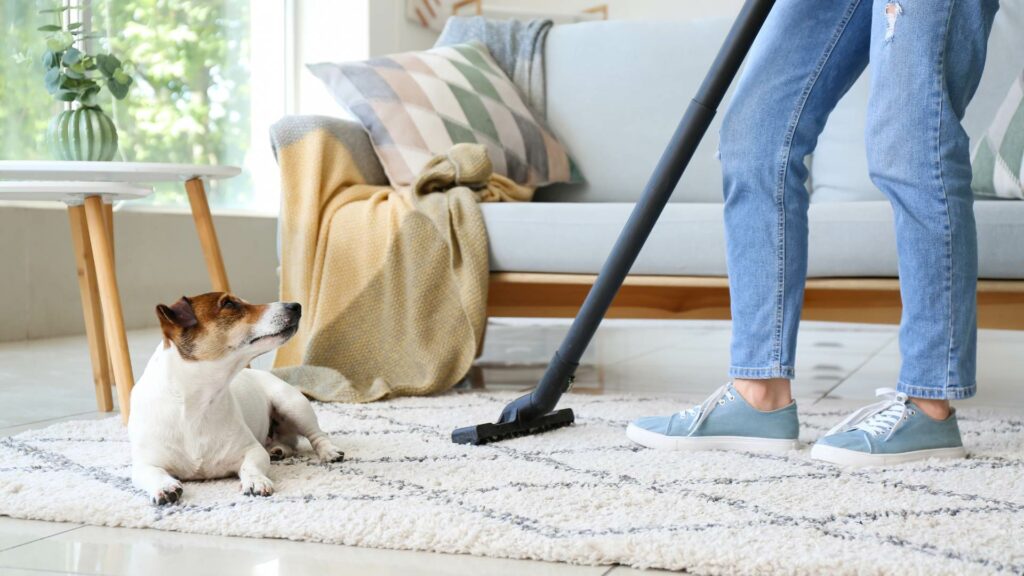
If you’ve walked into your living room and thought, “Why does my couch smell?” — you’re not alone.
Couches absorb everything. Sweat. Body oils. Pet dander. Food crumbs. Spilled drinks. Dust. Even odors circulating through your HVAC system. Over time, those particles sink deep into the upholstery fibers and padding, creating smells that regular vacuuming simply can’t remove.
This guide will walk you through:
- The most common reasons your couch smells
- How to identify the source
- What you can safely fix yourself
- When professional upholstery cleaning is the right solution
The Most Common Reasons Your Couch Smells
1. Body Oils & Sweat Buildup (Most Common Cause)
Every time someone sits down, natural oils and sweat transfer into the fabric. Over months or years, this builds up in the fibers and inner padding.
You may notice:
- A musty or sour smell
- Stronger odor in favorite sitting spots
- Discoloration on armrests or headrests
This is especially common in microfiber and fabric upholstery.
If your home also has wall-to-wall carpeting, it’s worth checking whether odor is transferring between soft surfaces. Upholstery and carpet often trap the same contaminants, which is why deep carpet cleaning and furniture cleaning are often done together for best results.
2. Pet Dander & Accidents
Pets are a major contributor to couch odors.
Even if they don’t have accidents:
- Pet hair traps oils
- Dander settles into cushions
- Paws track in bacteria from outside
If there has been an accident, urine can soak deep into the cushion core. Surface cleaners won’t reach it.
The same bacteria that create odor in furniture can also live in nearby area rugs. That’s why homeowners often combine upholstery work with area rug cleaning when treating pet-related smells.
3. Mold or Mildew
If your couch smells damp, earthy, or like a basement, moisture is likely the issue.
Causes include:
- High humidity
- Spills that weren’t fully dried
- Poor air circulation
- HVAC issues
When moisture gets trapped in cushions, mold and mildew can begin forming inside — even if you don’t see visible growth.
In some cases, persistent odor may not be the couch at all. Poor indoor air quality or dirty vents can circulate musty smells throughout your home. That’s when air duct cleaning becomes an important part of solving the root problem.
4. Food & Drink Spills
Even small spills leave behind sugar and organic material that bacteria feed on.
Wine, soda, coffee, and milk are common culprits. Over time, bacteria break down residue and create odor.
If spills also reached your flooring, especially carpeted areas or rugs, lingering smells may require both upholstery cleaning and carpet cleaning to fully eliminate the source.
5. Smoke & Environmental Odors
Couches absorb odors from:
- Cigarette smoke
- Cooking grease
- Fireplace smoke
- General household air
Fabric works like a sponge. If the air inside your home contains odor particles, your couch will trap them.
Homes with hard surfaces like tile or wood floors may not show the same odor retention — but porous grout lines can trap odor-causing bacteria. Deep tile and grout cleaning can sometimes help reduce whole-room smells.
How to Identify the Source of the Smell
Before trying to fix it, isolate the problem:
- Remove cushions and smell them individually
- Check underneath the couch
- Smell the armrests and headrests
- Inspect for stains
- Check surrounding rugs and carpet
Sometimes the odor is coming from:
- The padding
- The frame
- The subfloor underneath
- Nearby carpeting
- Your HVAC system
A full-room assessment often gives the clearest answer.
Can You Remove Couch Odor Yourself?
Here’s what can help temporarily:
✔ Vacuum Thoroughly
Use an upholstery attachment and get into creases and under cushions.
✔ Baking Soda Treatment
Sprinkle generously, let sit for 8–24 hours, then vacuum.
✔ Light Steam (With Caution)
Only if manufacturer-approved. Too much moisture can worsen the issue.
What DIY Methods Usually Don’t Fix
- Deep-set urine
- Mold inside cushions
- Years of oil buildup
- Odors embedded in padding
Sprays and deodorizers often mask smells rather than eliminate them.
When Professional Upholstery Cleaning Is Necessary
Professional furniture cleaning goes beyond surface cleaning.
It:
- Extracts contaminants from deep within cushions
- Removes bacteria causing odor
- Uses controlled moisture to prevent mildew
- Neutralizes odors at the source
If your couch is several years old and has never been professionally cleaned, buildup is likely deep inside.
Homeowners who schedule furniture cleaning often notice improved overall air freshness — especially when paired with air duct cleaning in homes where odor circulates continuously.
How Often Should a Couch Be Professionally Cleaned?
General recommendations:
- Every 12–18 months for normal households
- Every 6–12 months for homes with pets or kids
- Immediately after major spills
Regular maintenance prevents deep odor buildup and extends furniture life.
How to Prevent Couch Odor Going Forward
- Vacuum weekly
- Rotate cushions
- Keep humidity below 50%
- Clean spills immediately
- Avoid eating on fabric furniture
If your home has tile or wood floors, keeping those surfaces professionally maintained through periodic wood floor cleaning or tile cleaning also helps reduce dust and airborne particles that eventually settle into upholstery.
The Bigger Picture: Why Furniture Odor Impacts Indoor Air Quality
Many homeowners don’t realize that soft surfaces act as air filters. They trap:
- Dust
- Pollen
- Skin cells
- Bacteria
- Airborne contaminants
Over time, those contaminants re-enter your breathing space.
That’s why a comprehensive cleaning approach — including upholstery, carpets, rugs, and even air duct cleaning — can significantly improve how a home smells and feels.
Final Thoughts
If you’re asking, “Why does my couch smell?”, the answer usually isn’t just surface dirt.
It’s buildup.
Couches absorb years of living. And while DIY methods may reduce odor temporarily, deep-set smells require deeper cleaning solutions.
Understanding the source is the first step. Eliminating it properly is the second.